Rotted Trim and Fascia Replacement Before Painting
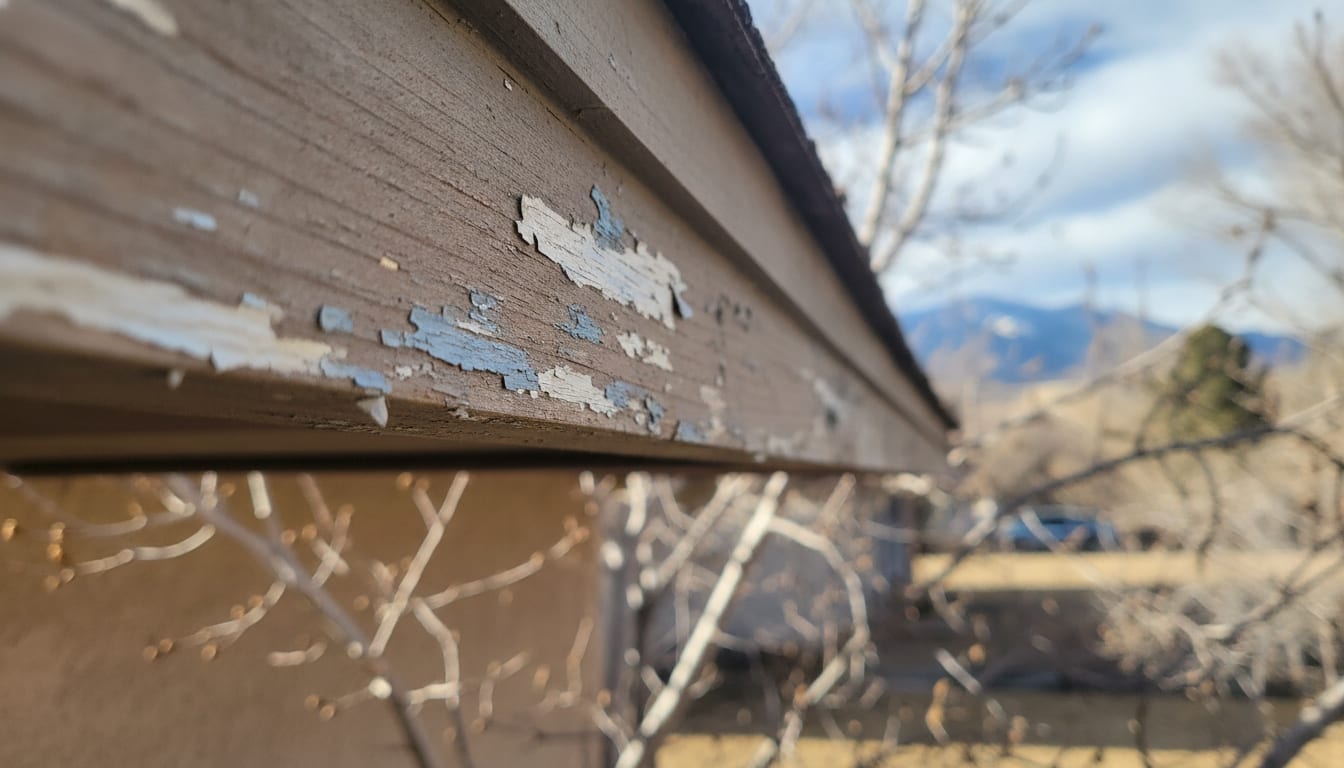
Fall is the time to spot soft trim, fascia and soffit before winter moisture makes it worse. Here's what to look for before your next exterior repaint.
Fall mornings in Colorado Springs tend to bring out the truth about a house. The light is low, the air is dry, and the soft spots that were easy to ignore all summer suddenly stand out. If you're planning an exterior repaint, this is the week to walk around your home and check the wood before cold nights set in and moisture gets trapped behind a fresh coat of paint.
Why Fall Is the Right Time to Check
Paint doesn't fix wood that's already gone soft - it just hides it for a little while. Once snow and freeze-thaw cycles start, any hidden rot will keep spreading underneath the paint film, and you'll be dealing with a bigger repair next spring instead of a smaller one now. Checking trim, fascia and soffit before the first hard freeze gives you time to get repairs done while exterior work is still possible - that window runs roughly spring through fall here, since cold nights put a stop to it.
Signs Your Trim or Fascia Needs Attention
Walk the perimeter of your house and look for these:
- Soft spots - press on trim boards, window sills and fascia with your thumb. If it gives like a sponge, the wood is compromised underneath.
- Peeling or bubbling paint - this usually means moisture is already trapped behind the surface.
- Dark staining or streaking - a sign water has been running down the same spot for a while.
- Gaps where caulk has shrunk or cracked - these let water behind the trim before you ever see a stain.
- Sagging soffit panels or fascia pulling away from the roofline - often the first visible sign of a bigger problem at the roof edge.
South and west-facing walls tend to show wear first here, thanks to the intense sun at our elevation, but north-facing trim can hide rot longer because it stays damp after snow melts slower in the shade.
Why This Matters Before Painting
Paint needs a sound, dry surface to hold onto. Painting over rotted or soft wood might look fine for a season, but the paint will crack, bubble or peel early because the wood underneath keeps moving and breaking down. That's why any good exterior job follows an order: wash the surface, scrape and sand, repair what's damaged - rotted trim, soft siding, cracked stucco - then caulk and prime before any paint goes on. Skipping the repair step just means doing the job twice.
Replacing trim, fascia and soffit boards is finish carpentry work, and it's part of what Brush Masters handles as part of an exterior repaint - the new boards get painted to match the rest of the house so the repair blends in rather than standing out.
What a Free Estimate Looks Like
Dave Shipler has been painting around Colorado Springs for more than 40 years and comes from a family line of professional painters. He does the estimates himself, in person, so you're dealing directly with the person who'll be overseeing the work. Every estimate includes a breakdown of the time involved, a paint and labor estimate, and a list of things you can do before the crew arrives to keep the job moving smoothly. If he spots rotted trim or soft siding while he's there, he'll walk you through it and talk about repair options before anything is painted - not after.
This applies whether you're in Briargate, Monument, Black Forest, Falcon, Fountain, Manitou Springs, Woodland Park or anywhere else around Colorado Springs. Different elevations and exposures wear differently - Monument and Palmer Lake sit higher on the Palmer Divide and see more snow and a shorter working season, while Falcon and Peyton deal with more wind and hail out on the plains. Wherever you are, the same rule holds: fix the wood before you paint over it.
If you've noticed soft trim, peeling paint near the roofline, or gaps that let water in, don't wait until spring to deal with it. A free, in-person estimate is the best way to find out what's actually going on and what it'll take to fix it right.
Frequently Asked Questions
How do I know if my trim is rotted or just needs paint?
Press on it. Sound wood feels firm; rotted wood gives like a sponge or crumbles slightly under pressure. Peeling paint alone doesn't always mean rot, but combined with softness, staining or sagging, it's a good sign the board needs to be replaced rather than just repainted.
Can you replace rotted trim as part of a regular repaint?
Yes - trim, fascia, soffit and siding boards get replaced and then painted to match, usually as part of an exterior job. Paint won't fix wood that's already gone soft, so repair comes before priming and painting in the normal order of work.
Is it too late in the fall to get exterior repairs and painting done?
Exterior work runs roughly spring through fall, and cold nights are what end the season, not a date on the calendar. The only way to know where things stand is to have Dave take a look - he'll be honest with you about timing once he's seen the job and the estimate is agreed.